
Crash Data Retrieval
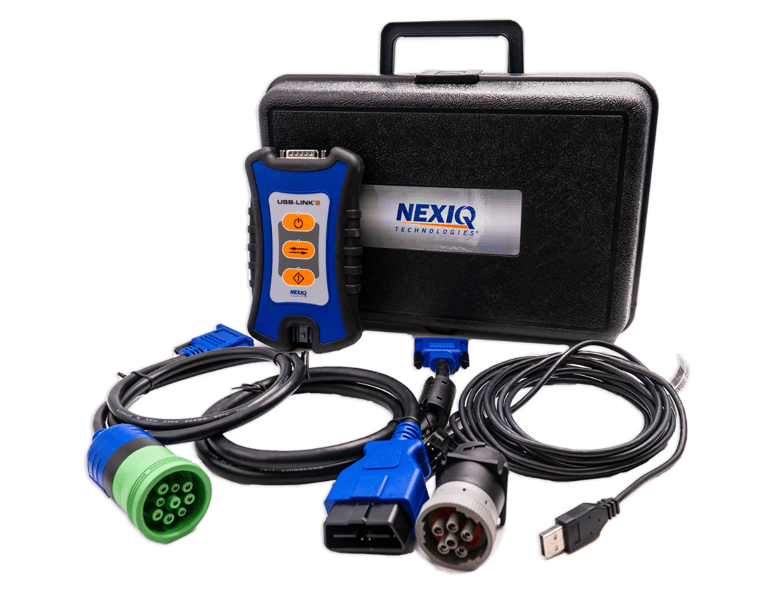
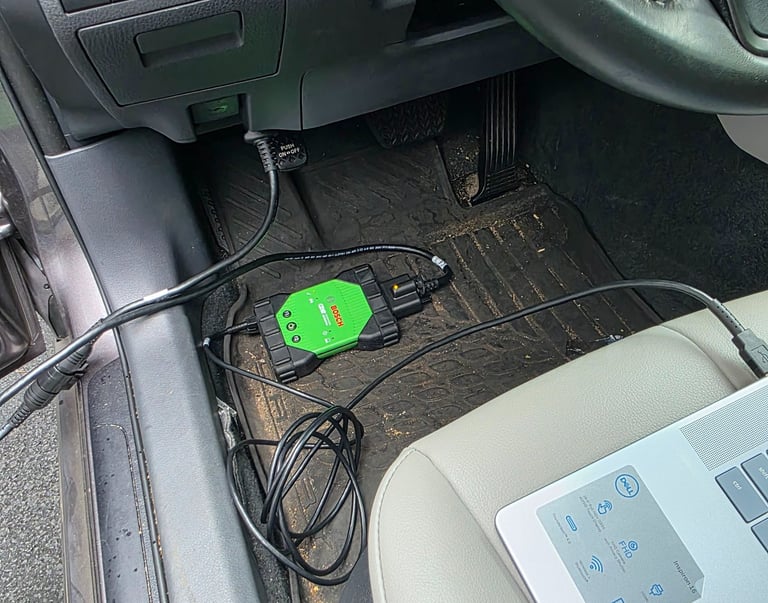
We offer passenger vehicle EDR/ACM retrieval, as well as tractor/trailer ECM and brake module data retrieval
Airbag Control Modules (ACMs) and Engine Control Modules (ECMs), often referred to as Event Data Recorders (EDRs), play a critical role in modern accident reconstruction and personal injury investigations. These electronic devices are integrated into a vehicle’s safety system and are designed to monitor various parameters related to vehicle operation and crash events. When a collision occurs, the ACM records a brief snapshot of data both before and during the impact. This information can include vehicle speed, engine throttle position, brake application, seatbelt usage, steering input, and delta-V (change in velocity). Because the data is captured directly from the vehicle’s onboard sensors and control systems, it provides an objective record of vehicle behavior immediately prior to and during a crash event.
In accident reconstruction, ACM data can be used to supplement traditional physical evidence such as skid marks, vehicle damage patterns, and final rest positions. By analyzing the recorded parameters—often covering the last five seconds before impact—reconstructionists can determine whether a driver was accelerating, braking, or maintaining speed at the time of the collision. This information can help confirm or refute driver statements and witness accounts. For example, ACM data may show that a vehicle was traveling at a higher speed than reported or that the brake pedal was not applied before impact. When combined with scene measurements and vehicle inspections, this electronic evidence can significantly improve the accuracy and reliability of a reconstruction analysis.
ACM data is also highly relevant in personal injury litigation because it can help establish the severity and mechanics of the crash. The recorded delta-V values and crash pulse information allow experts to estimate the forces experienced by vehicle occupants during the collision. These measurements can be correlated with vehicle deformation and occupant kinematics to evaluate how injuries may have occurred. In many cases, the data can demonstrate whether a crash was minor or severe and whether the injury claims are consistent with the recorded crash dynamics.
Finally, the use of ACM data provides courts and investigators with a scientifically grounded source of evidence that is less susceptible to subjective interpretation than witness testimony alone. When properly downloaded and analyzed using manufacturer-approved tools and procedures, the data can be presented in a clear and defensible manner during depositions or trial. As vehicles become increasingly sophisticated, ACM/EDR information has become a standard component of comprehensive accident reconstruction and is frequently relied upon by engineers, forensic experts, and legal professionals to better understand the circumstances and consequences of motor vehicle collisions.