
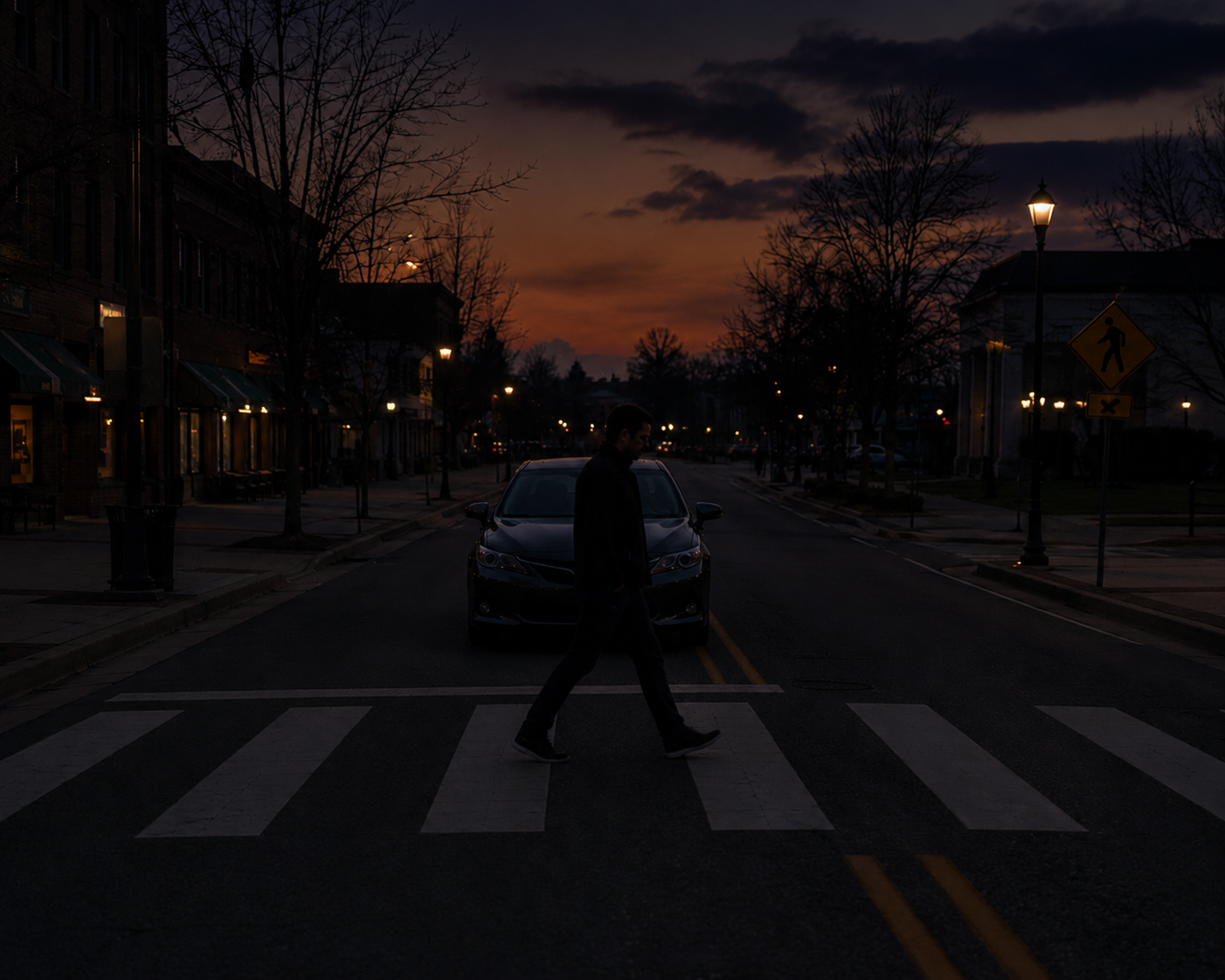
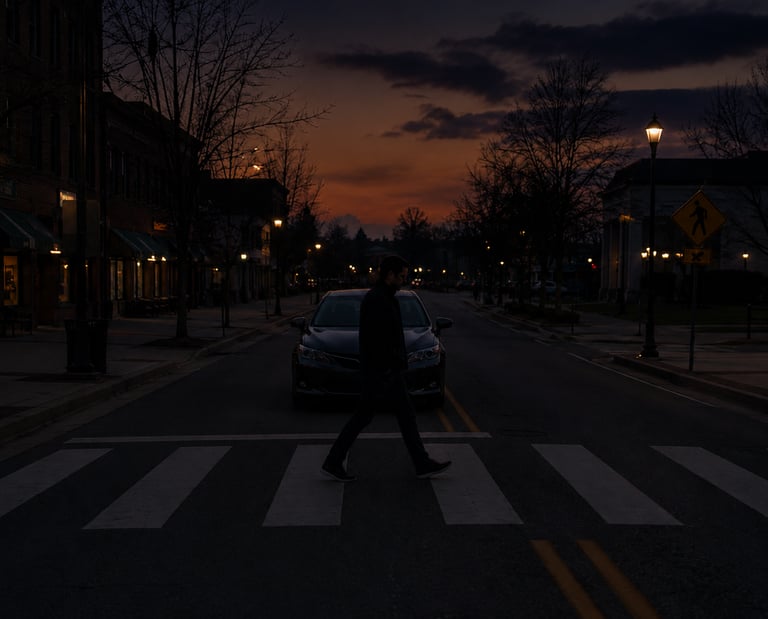
Pedestrian Accident Reconstruction
Detailed Reconstruction Experts assists attorneys, insurers, and litigation teams with pedestrian crash reconstruction by evaluating the physical evidence, roadway environment, vehicle movement, pedestrian movement, visibility, lighting, and available electronic data to determine how a collision occurred. Pedestrian cases often involve complex questions about vehicle speed, sight distance, perception-reaction time, pedestrian location, crossing path, impact configuration, and whether the driver or pedestrian had time and distance to avoid the crash.
Pedestrian crash reconstruction may include analysis of roadway evidence, impact location, debris fields, tire marks, vehicle damage, pedestrian throw distance, final rest positions, scene photographs, surveillance video, dash camera footage, body camera footage, and witness statements. When available, EDR or crash data from the involved vehicle can also be compared to the physical evidence to help evaluate speed, braking, throttle input, steering input, and crash timing.
Detailed Reconstruction Experts can use drone scene mapping, photogrammetry, scaled diagrams, and 3D modeling to preserve and analyze the crash location. These tools can help evaluate crosswalk geometry, lane configuration, lighting conditions, obstructions, roadway grade, sight lines, pedestrian visibility, and whether the scene evidence is consistent with the reported crash sequence.
Pedestrian reconstruction can be especially important when a driver claims they did not see the pedestrian, when speed is disputed, when lighting or visibility is a central issue, or when the exact point of impact must be determined from limited evidence. By combining scene evidence, vehicle evidence, electronic data, video analysis, and accepted reconstruction methodology, DRE can help evaluate liability, causation, and avoidability.
DRE’s pedestrian crash reconstruction services can support early case reviews, evidence preservation, settlement evaluations, mediation, deposition preparation, expert reports, and courtroom presentations. The goal is to explain the technical evidence clearly and provide attorneys with reliable analysis that helps identify the strengths, weaknesses, and key issues in a pedestrian crash case.